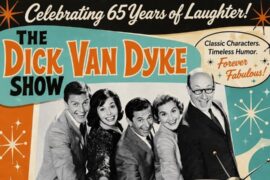

Biographical documentaries were big in 2025 with profiles of everyone from Jerry Springer, Sly Stone, Charlie Sheen, Martin Scorsese, Led Zeppelin, Dick Van Dyke and Eddie Murphy also in the mix. The following ten films, with links to longer reviews, are the ones I liked best.
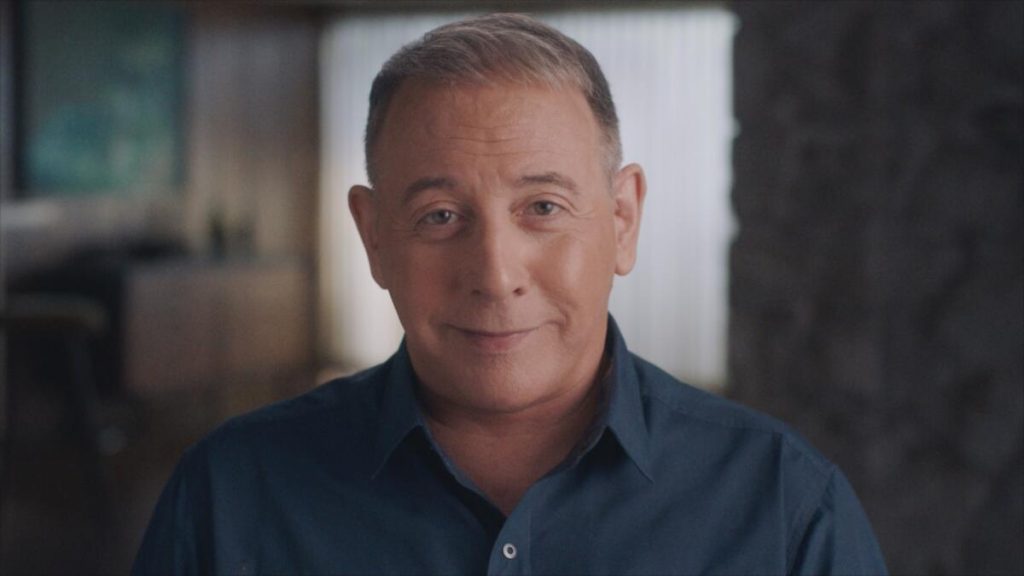
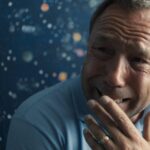
Pee-wee as Himself (HBO Max; Crave). What if the main subject of a documentary agreed to sit for many interviews but only surrendered himself as somebody who was pissed that he was not directing the project? This is the adversarial element that makes “Pee-wee as Himself” such a fascinating story, told over two parts, to watch.
Then there is the element of surprise: Reubens knew he was dying but the director and interviewer (Matt Wolf) did not. The standoff goes right down to the wire before Reubens says the secret word. It all plays out with an incredible combination of innocence and mischief — like childhood itself.
If, like me, you loved Pee-wee’s Playhouse, you’ll enjoy visiting old friends such as Chairy, Globie, Jambi, Pterry and Magic Screen. You’ll scream and yell real loud as celebs such as Cher, Dolly Parton and Grace Jones visit the Playhouse for the Christmas special.
Even if you didn’t get Pee-wee, or just cringed at his “I know-you-are-but-what-am-I” antics, you will be captivated by Reubens sly, slow reveal. Read my full review from last May here.
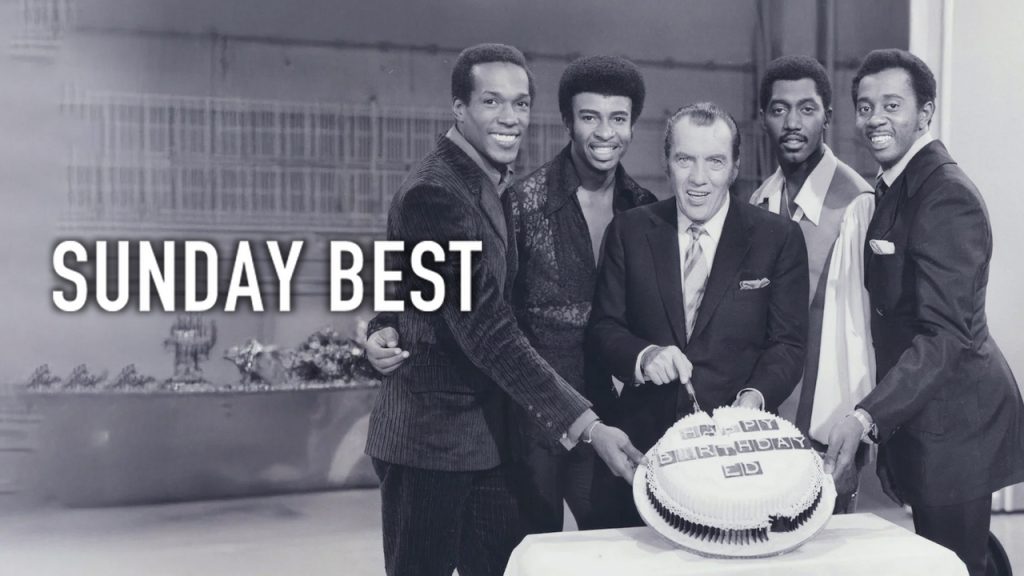
Sunday Best: The Untold Story of Ed Sullivan (Netflix). He was the original Must See TV. Old or young, every Sunday at 8 p.m., the family would gather around their 19-inch Admiral, Marconi or Zeinith and watch The Ed Sullivan Show.
advertisement
The variety hour ran 23 seasons, ending rather unceremoniously in 1971, 54 years ago. What the new Netflix documentary Sunday Best: The Untold Story of Ed Sullivan does is give Ed his due. In an era when Black entertainers were scarce on TV, Ed Sullivan was truly a colour blind showman. He introduced North American audiences to the hottest acts, period, regardless of race or colour.
It wasn’t just that Black entertainers did Sullivan; it was how they were seemlessly integrated into the mix. When Sullivan called former heavyweight champion Joe Louis up out of the audience, he shook his hand. When Sullivan gave Pearl Bailey a playful kiss on the cheek, the network got letters.
That Nat King Cole got the same kind of showcase that Vic Damone or Tony Martin got was different. Believe it or not, back in the late ’50s, Sammy Davis, Jr., had to come to Canada to find a network that would headline him on a TV special. Sullivan was ahead of his time, and this doc, produced by, among others, his granddaughter Margo Precht Speciale, shows why and how. Read the full review from last July here.
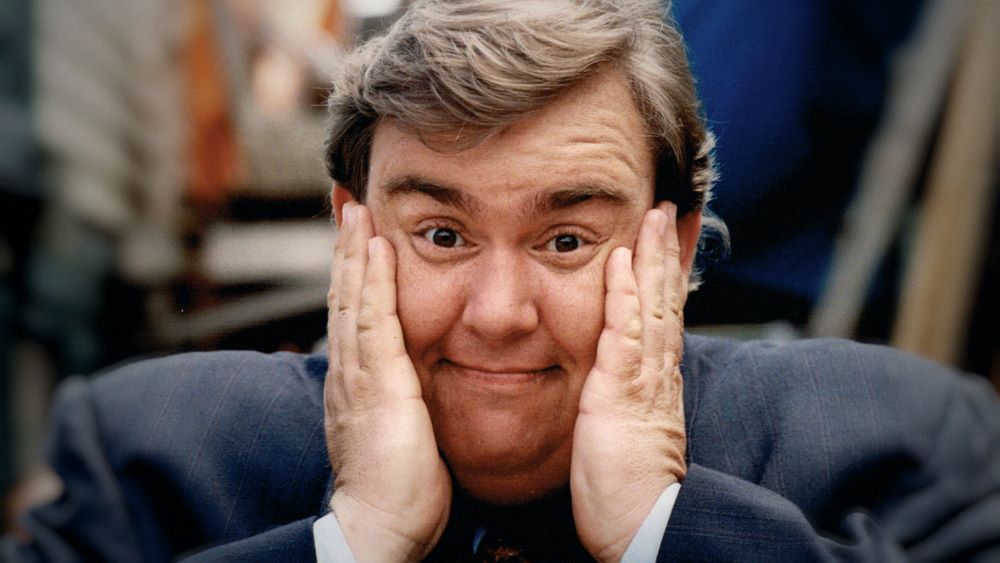
John Candy: I Like Me (Prime Video). If you grew up watching SCTV, or John Hughes films such as “Uncle Buck” and “Planes, Trains and Automobiles,” and especially if you grew up in Canada, John Candy is part of your family. Thirty-one years after his death in 1994 at 43, he’s still your Uncle Buck, the guy who makes you laugh the most, cry the most, and feel the most.
In hiring Colin Hanks to direct the project, producer Ryan Reynolds said that he “didn’t want to live in a world where there is not a documentary about John Candy.” Hanks, whose dad Tom shot “Splash” with Candy in 1984, agreed. Candy’s children, Chris Candy and Jennifer Sullivan-Candy, were thrilled that this project was finally going forward and quickly signed on — as did the late actor’s wife, Rose — as co-executive producers.
It helps that some of the greatest comedy minds of the past 50 years share their insights. Reynolds told reporters that booking Bill Murray — always a challenge — was a last minute win that only came after the film was otherwise wrapped. Hanks wisely places the Murray moment right up front, and it provides clarity and a little magic.
Another “hard get” — Dan Aykroyd, eventually invited Reynolds and a crew of four to his well-currated cottage somewhere in Ontario for an overnight. He delivered insight beyond the producer’s wildest expectations, and then promptly kicked them all out the next day. (“The greatest night of my life,” Reynolds told reporters.) Read the full review from October here.
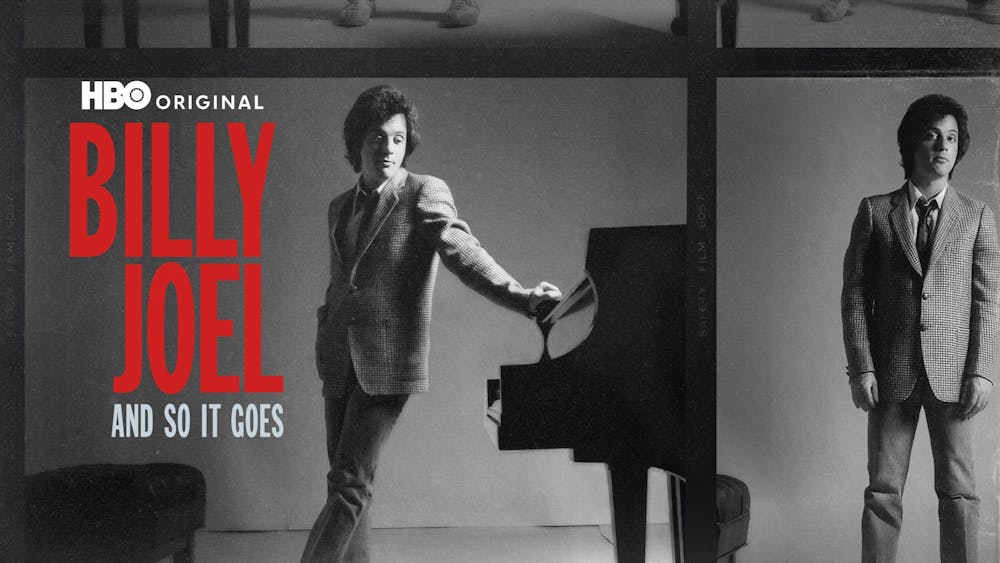
Billy Joel: And So it Goes (HBO Max; Crave). There are plenty of twists and turns in this compelling new HBOMax documentary. We learn that things very nearly took a tragic turn for the multi-Grammy award winning singer-songwriter entertainer. He tried to take his own life, for example, before breaking through in music, after an aborted love affair with his best friend’s girl. (Spoiler alert: Joel lived; the two men are friends again; the woman later became Joel’s first wife and manager.)
One of the things that stands out in this two-part bio is how incredibly literal Joel’s lyrics are. Okay, we get that second wife Christie Brinkley — featured in Episode Two — was his “Uptown Girl.” But pretty much every damn song he ever wrote was about someone or something very specific. Back between record contracts when he was forced to play under another name, Joel really was that Piano Man. “John at the bar,” for example, really was a friend of his; Davy really was in the navy; and the waitress — wife-to-be Elizabeth Weber — really was practicing politics.
Bottom line, you will come away with a renewed love of Joel’s music, and, despite all his flaws, of the musician himself. His grasp of both words and music is astounding. The evidence is on full display as seen in clips showing sold-out crowds in venues such as Madison Square Garden singing along to lyrics penned as long as 50 years ago. Read the full review from July here.
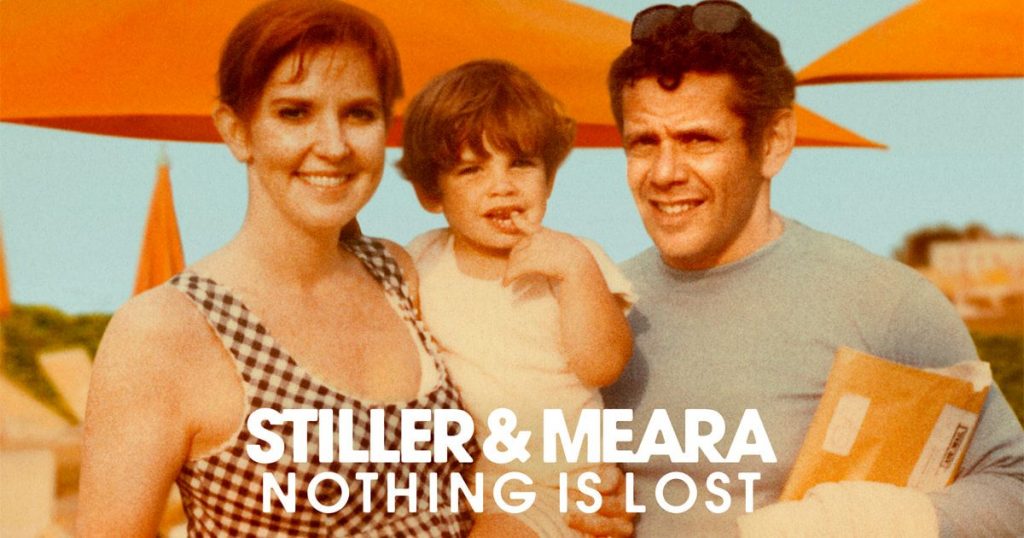
Stiller & Meara: Nothing is Lost (AppleTV). The documentary takes on the central question for Stiller and Meara: where does the act end and the marriage begin? With the death of his famous comedy act parents (Meara died in 2015 and Stiller in 2020), it falls to Ben and his sister Amy to pack up and sell the older couple’s New York apartment. That it is crammed with everything Stiller senior never threw away — old scripts, audio and video recordings, press clippings, screenplays and boxes of photographs — provides plenty of ammunition to get to the truth. Stiller and Stiller plunge into it and in the process reveal plenty about their own struggles in life, relationships and surviving strong parental shadows.
Kudos to Stiller for taking such a deep dive inside his own head and heart in what could otherwise have been just another pop culture biography dwelling on the ’70s. Here he honours his parents by pushing harder, combining the work ethic of his dad with his mother’s firm grasp on the truth.
Nothing is lost, as the title implies, and what is found is suprisingly relatable, even if your parents never worked it all out on Ed Sullivan. Read my full review from October here.
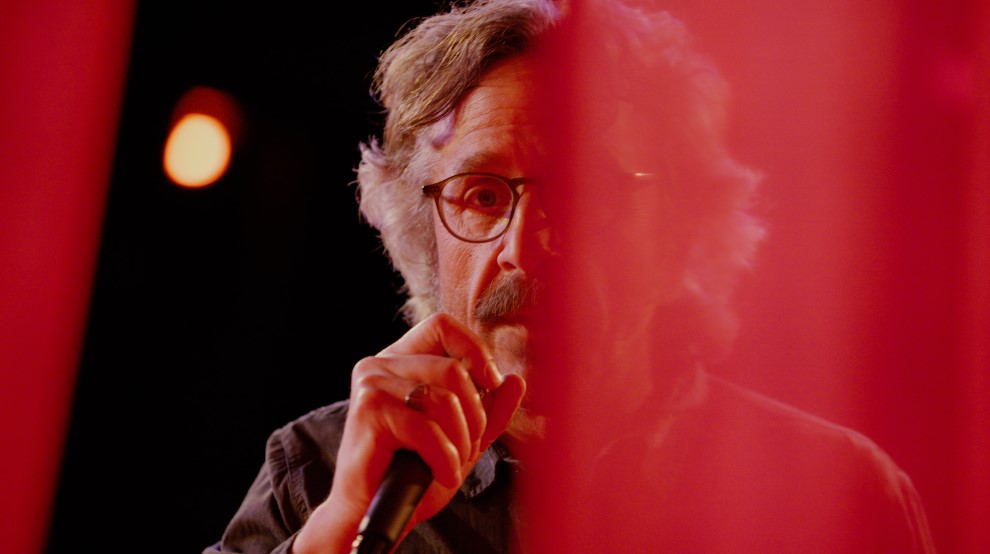
Marc Maron: Are We Good? (AppleTV). “Are we good?” is a phrase Maron often used in the opening remarks on his WTF podcast. That series, which recently concluded a 16-year, close to 1700 episode run, was a bi-weekly dose of truth. It was recorded in his Glendale, Ca., garage, and became comfort food for millions of faithful listeners. Before introducing each guest, he would do a mental health check by bringing us up to date on his own delicate psyche. It was often the most electric part of each show.
The documentary, directed by Steven Feinartz (The Bitter Buddha, Marc Maron: Panicked), mirrors the New Jersey-born comedians’ own relentless inner pursuit to happiness. It, too, is raw and honest. Cameras stalk Maron throughout the COVID era. He is occasionally grumpy about the process, somewhat reminiscent of how Paul Reubens felt surrendering control over his own story in the award-winning doc Pee-wee as Himself.
The documentary shows, however, that in this age of fake news, his clear-eyed take and hard truths are what audience are craving to hear. Even better, Maron, seems to get, after decades as an alternative comedy act, that at 62 he is at the top of his game as a mainstream comedy craftsman. Read my full review from last November here.
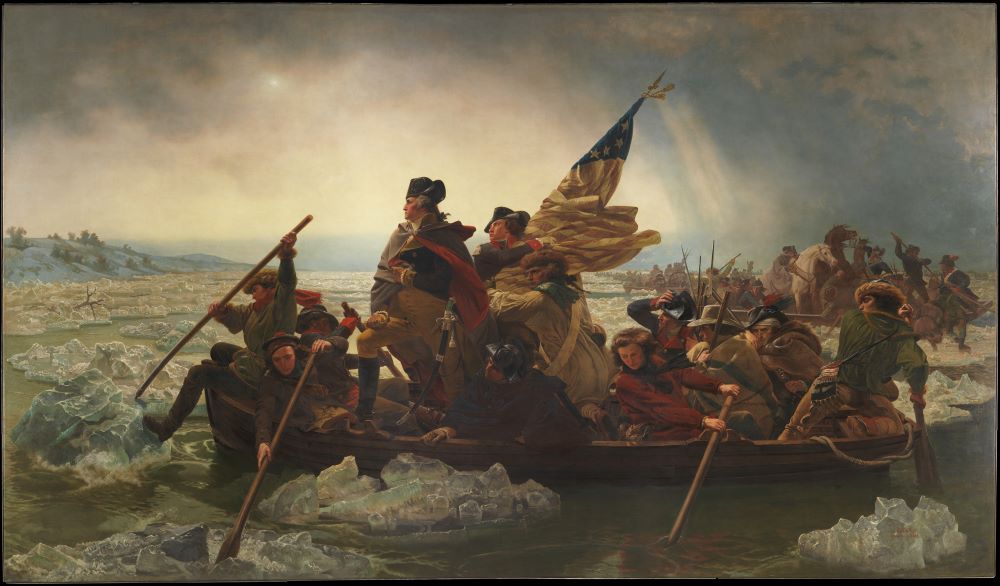
The American Revolution (PBS). Ken Burns latest docuseries, is a six-part, 12-hour, deep dive into a long, bloody birth of a nation. Co-directed by frequent collaborator Sarah Botstein (The Vietnam War; Jazz), it sticks to the immersive style of storytelling Burns has mastered over decades of documentary filmmaking. With no actual footage to show of events in the 18th century, it relies on many paintings, including portraits of key figures such as George Washington, Abigail Adams and Benjamin Franklin, many, many maps illustrating, for example, Washington’s tactical blunders trying to defend New York from loyalists and The British, and impressive voice casting.
Besides Burns ever effective narrator Peter Coyote, Josh Brolin (as Washington), Kenneth Branagh (British General Thomas Gage), Claire Danes (Abigail Adams), Paul GIamatti (John Adams), Jeff Daniels (Thomas Jefferson), Craig Ferguson, Morgan Freeman, Tom Hanks, Ethan Hawke, Samuel Jackson, Tobias Menzies, Edward Norton, Matthew Rhys, Liev Schreiber, Damien Lewis (King George III), Michael Keaton (Benedict Arnold), and Meryl Streep ass take part. Has there ever been a better cast assembled for any one TV production, ever?
Canadians, however, still bruised by all the “51st State” talk and dismissive behavior from the Trump administration, may find it hard to dial this one in with elbows up. “Bully for them overthrowing one King,” northern viewers might think. “What about the jerk who is wrecking things now?” Read my full review here.
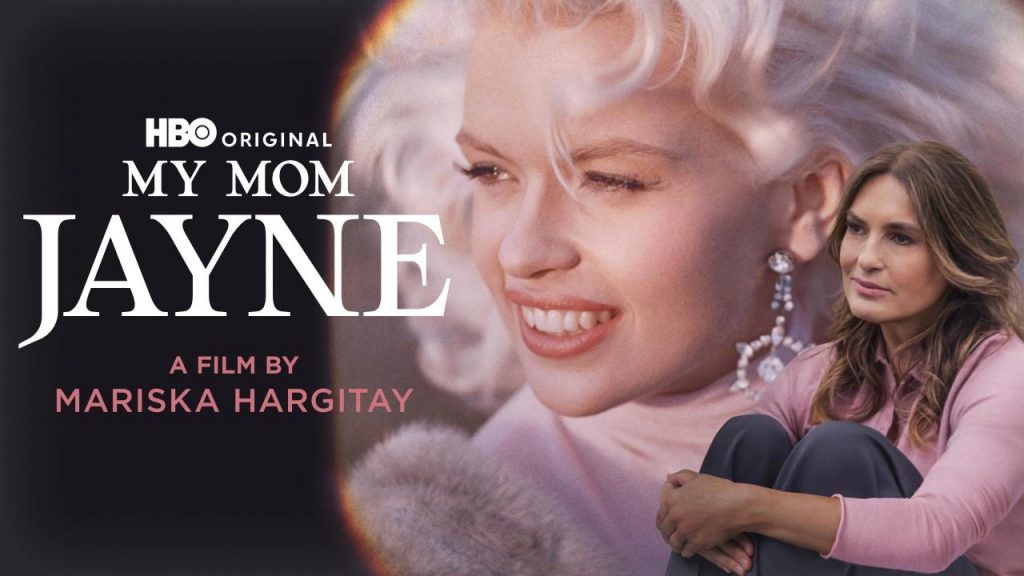
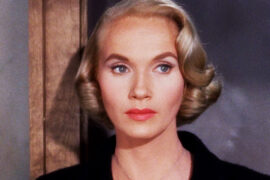
My Mom Jayne (HBO Max). If all you know about Jayne Mansfield is that photo where Sophia Loren sneaks a side-eye glance at her rival’s ample cleavage, you need to check out My Mom Jayne.
The HBO documentary, which opened to glowing reviews in Cannes in May, offers a sympathetic and compelling portrait of the former Playboy model and so-called “blonde bombshell.” Raising the stakes beyond that of simply another movie star biography, the film is also a voyage of discovery for the director, Mansfield’s daughter, long-time Law & Order: Special Victim’s Unit star Mariska Hargitay.
The film shows that there was so much more to Mansfield than what Loren and others spotted at first glance. Mansfield was an accomplished pianist and violynist, for example, performing both instruments on TV talk and variety shows in the late 1950s. She gained fame on Broadway as well as the big screen opposite Walter Matthau in “Will Success Spoil Rock Hunter?” and also in the rock ‘n’ roll-themed “The Girl Can’t Help It” in 1956. Read my full review of the Jayne Mansfield doc here.
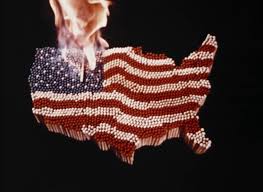
Breakdown 1975 (new this month on Netflix). Revisiting events from 50 or 60 years ago has long been a recurring documentary motif. The Beatles have turned it into a cottage industry. Netflix and others can see that nostalgia runs high for revisiting the roots of things such as Saturday Night Live, the Beach Boys or blockbuster movies such as “Jaws.”
But what about looking back to when things were so bad, they actually seem — gasp — worse than now??
“Breakdown: 1975” takes us back to a post Watergate malaise when New York City was a rat infested mess, the Vietnam War ended in shame and failure, and the richest nation on earth had to ration gas. Like today, there were random acts of violence, school shootings and political assassinations. Worse, disco was huge.
Here is a cool observation, however, from writer-director Morgan Neville: in 1975, filmmakers dove headfirst into the bad stuff and audiences lined up to see it. As comedian Patton Oswalt observes, what kind of a date movie is “One Flew Over the Cookoo’s Nest”? Or “Dog Day Afternoon”? Yet audiences flocked to those films as well as other grim and timely tales as “Taxi Driver,” “Three Days of the Condor,” “Network” and “The Conversation.”
Neville brings it together with a nice balance of voices from then and now, including narrator Jodie Foster, and commentators Martin Scorsese, writer-producer Peter Bart, director Oliver Stone, Albert Brooks, Seth Rogen, John Brolin, and Ellen Burstyn.
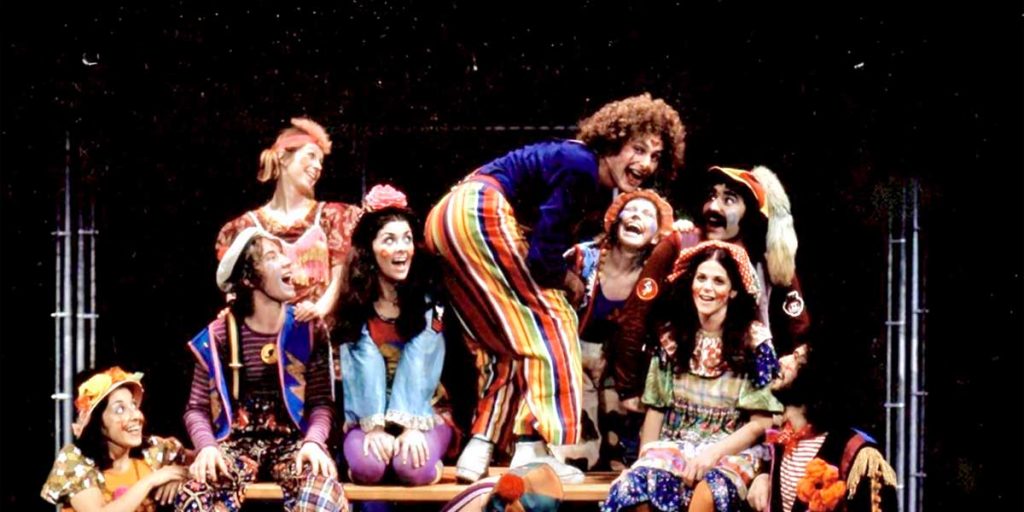
“You Had to be There: How the Toronto Godspell ignited the comedy revolution, spread love & overalls, and created a community that changed the world (in a Canadian kind of way)” (CBC; TBD). The long title does sum up the message behind this film, directed by Nick Davis and produced, among others, by the Patron Saint of the current comedy scene, Judd Apatow. Yes, it took American producers to tell this very Canadian story, which will eventually shine as a CBC broadcast and wind up on a North American streaming service. (I saw it last September during the Toronto International Film Festival).
The film is about the incredible convergence of talent that performed in the Toronrto theatre production of the musical “Godspell” (1972-73). The challenge: how do you construct a documentary when none of the 488 performances were recorded? There were no cell phones in the audience in 1972-73. If you missed it, you missed it.
The answer, in this case, is you reunite this Hall of Fame comedy cast, most of whom are still, more than 50 years later, enjoying heavenly careers. All the survivors take part, including Eugene Levy, Martin Short, Victor Garber, Dave Thomas, Jayne Eastwood, and Paul Shaffer (the musical director who wandered in from Thunder Bay). Long gone, sadly, is Gilda Radner.
The other way the story of “Godspell” is brought to life is through several animated sequences. They show caricatures of the cast performing sequences from the tuneful parable pieces. Eastwood, for one, wowed the audience with her cheeky, burlesque version of “Turn Back, O Man.” Read more at my review from TIFF here.