
Are Canadians up for watching The American Revolution?
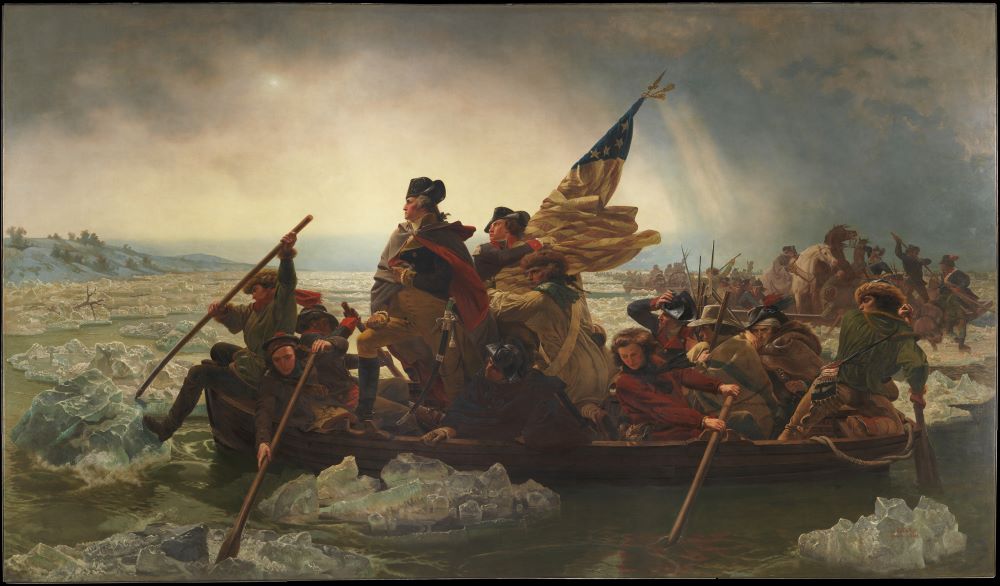
Ken Burns latest docuseries, is a six-part, 12-hour, deep dive into a long, bloody birth of a nation. Co-directed by frequent collaborator Sarah Botstein (The Vietnam War; Jazz), it sticks to the immersive style of storytelling Burns has mastered over decades of documentary filmmaking. With no actual footage to show of events in the 18th century, it relies on many paintings, including portraits of key figures such as George Washington, Abigail Adams and Benjamin Franklin, many, many maps illustrating, for example, Washington’s tactical blunders trying to defend New York from loyalists and The British, and impressive voice casting.
Besides Burns ever effective narrator Peter Coyote, Josh Brolin (as Washington), Kenneth Branagh (British General Thomas Gage), Claire Danes (Abigail Adams), Paul GIamatti (John Adams), Jeff Daniels (Thomas Jefferson), Craig Ferguson, Morgan Freeman, Tom Hanks, Ethan Hawke, Samuel Jackson, Tobias Menzies, Edward Norton, Matthew Rhys, Liev Schreiber, Damien Lewis (King George III), Michael Keaton (Benedict Arnold), and Meryl Streep ass take part. Has there ever been a better cast assembled for any one TV production, ever?
Canadians, however, still bruised by all the “51st State” talk and dismissive behavior from the Trump administration, may find it hard to dial this one in with elbows up. “Bully for them overthrowing one King,” northern viewers might think. “What about the jerk who is wrecking things now?”
Viewers stateside might also be divided on a comprehensive history lesson that traces the steps to independence and democracy. If you think America is divided now, however, Burns’ history lesson shows that it was divided at least 13 ways in 1776, with each of the emerging colonies along the eastern seaboard having their own perspectives on, among other things, the tax demands of the mother country, Great Britain.
Even back then there was the threat of northern expansion. Washington was all for Manifest Destiny, and if he hadn’t run out of money and soldiers, he would have kept going after loyalists who had fled to British and French North American colonies.
advertisement
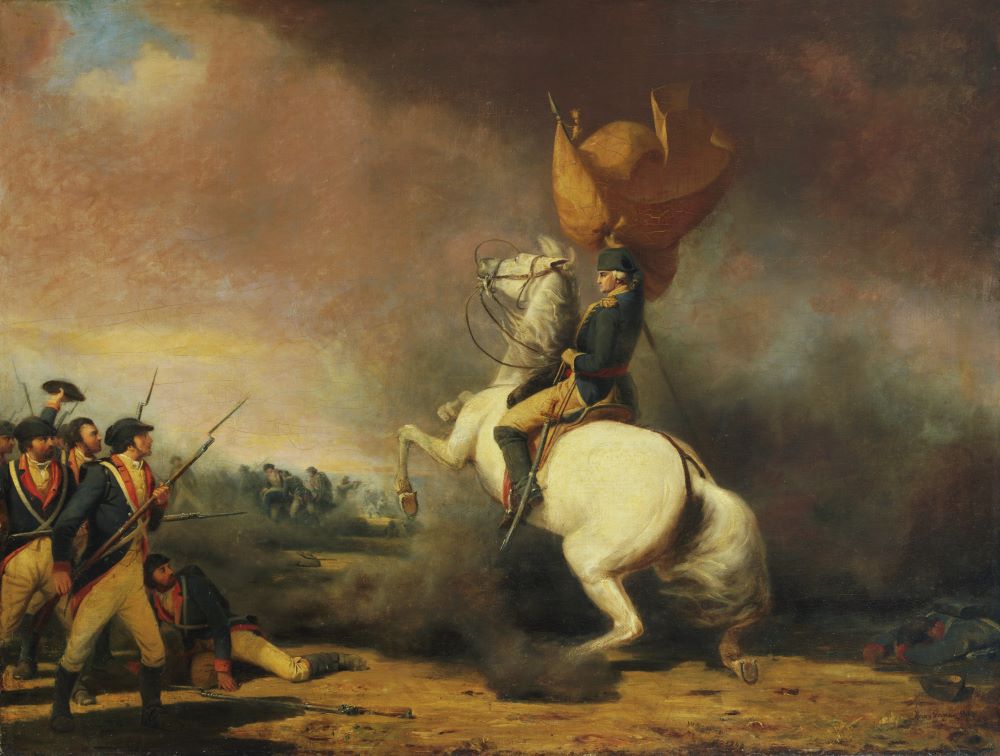
Burns, however, cannot be blamed for the timing of his American Revolution. Ten years in the making, he’s been juggling this and at least eight other projects for at least a decade. It was always a project timed tl air in advance of next July’s 250th anniversary of the founding of the United States.
Yet here it is, landing months after Trump slashed and burned funding sources for, among other things, PBS. The filmmaker could be forgiven for using these 12 hours to dump tea down the hole where the East Wing of the White House used to be.
Instead, as Burns says, he continues to throw, as he calls it, “balls and strikes” when it comes to presenting historical accounts. He has created a scholarly investigation that will be available to schools across America, in states Red and Blue.
Written by historian Geoffrey C. Ward, the series runs through the familiar key points. We learn about the Sons of Liberty, the Stamp Act, and Paul Revere’s ride. We learn that Washington made plenty of bad tactical decisions before finally realizing that he didn’t have to win every battle – just hang in long enough for British infantrymen to realize that a) damn, this new continent is large (and cold in winter), and b) they miss their mommies way, way across the sea.
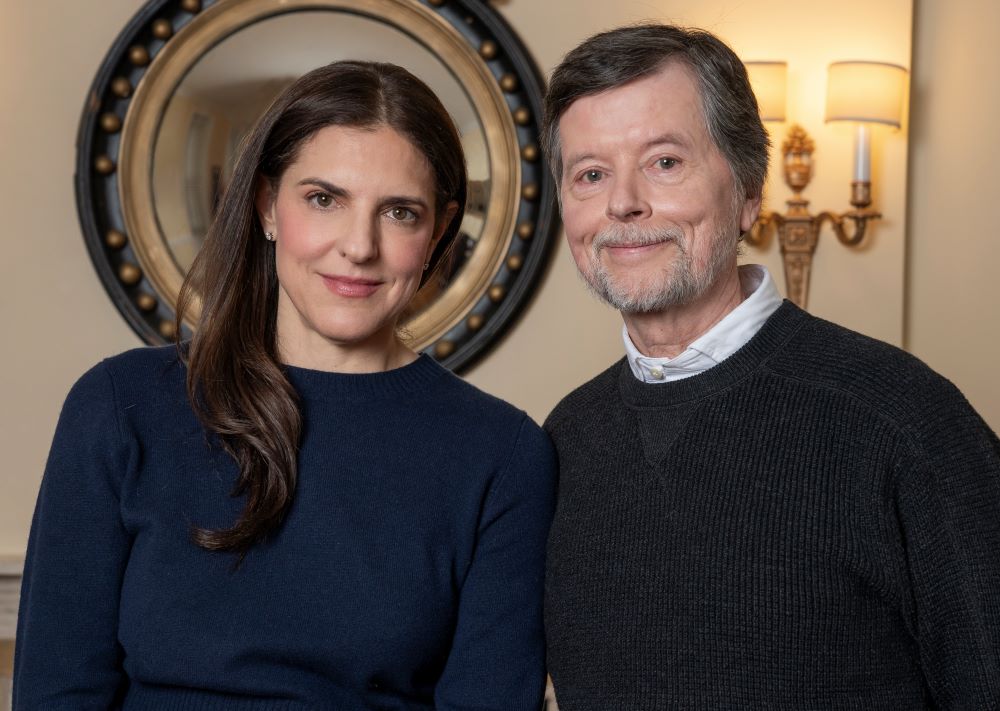
Burns and Ward are more focused on driving home the message that this was the first revolution fought proclaiming the unalienable rights of all peoples. Burns sees it as the greatest story ever told since the time of Christ. I’d argue that the 1972 Canada vs The Soviets hockey summit is right up there but we all have our cherished beliefs.
Neither does he look past, or leave out, the many human shortcomings and contradictions among the heroes of the revolution. The rich, white men drafting all these lofty ideas in Philadelphia, along with the oligarthy of the day, were almost all slave owners. The rebels dumping tea in Boston Harbour were dressed as native north americans to show their alliance not to the British but to the still large indigenous population – yet Indian nations were simultaneously being massacred in what passed as frontier justice.
Divisions, racial inequality, bloody violence – it has always been a part of America. The American Revolution shows why the right to bear arms was a matter of survival in the 18th century. Burns looks behind the static paintings of military formations and shows modern viewers the savagery of the times. Getting wounded on a battlefield was in some way worse that getting killed, with soldiers from either side dragged off to barns or the hulls of rat-filled ships to succumb to festering wounds.
There are plenty of excellent historians commenting on this revolution and they understand that it was beyond bloody. If you liked Tarantrino’s Once Upon a Time in America, you’ll like The American Revolution.
As Burns told reports attending a virtual PBS press conference last month, many previous accounts had “seen our revolution as kind of a bloodless gallant myth, just guys in Philadelphia thinking great thoughts, and that’s a big part of the story.” Burns and his colleagues came to see it more as “a bloody, bloody revolution, superimposed by a bloody civil war, superimposed by a bloody world war.”
Yet the docuseries is also quite beautiful at times, Beyond the paintings and maps (over 100 created just for this series) there are plenty of scenes at night of outdoor camp fires lighting landscapes of serene countrysides, or tales of young 15-year-old soldiers who thankfully wrote down such evocative descriptions of the astonishing things they witnessed.
At that same press conference, attended also by co-producers Botstein and David Schmidt, I asked if they had any concerns selling this 12-hour series in a world where TikTok and other hand-held distractions have shrunk attention spans down to addictive meta moments.
Just look at how media has changed since revolutionary times. One kernel of knowledge that popped out at me on viewing the first chapter was that the population of the original 13 colonies was second only to Scandinavia at the time in terms of literacy. Dropping pamphlets and other literature, including early newspapers, really could be turning points in a war.
Did the filmmakers worry that the level of literacy had dropped to the point where audiences were no longer able to grasp or digest a televised history lesson of this magnitude?
Burns wisely side-stepped the inferred notion (although I wish he had addressed it) that, by the way, colleges, universities, as well as public broadcasting institutions, were all under attack and being defunded in 2025.
Instead, he reminded reporters that, way back in 1990 when he brought his docuseries The Civil War to a packed, in-person press conference at The Century Plaza in Los Angeles, reporters loved the film back then but asked if anybody would sit through it in the MTV video era.
The answer was yes, and, perhaps, today’s audience are actually more media-trained for marathon tasks. After all, we all binge challenging dramas such as Slow Horses or ten episode seasons of Only Murders in the Building in a single weekend. There is plenty of nuance and shock in both those very different shows. While I was preparing to review The American Revolution, I also burned through something completely different – Paramount+’s NCIS: Tony & Ziva – at a several hour stretch. While Tony & Ziva is a fun and stylish romp, The American Revolution is a far more compelling viewing drama. The all-star cast helps, but so does the story, filled with so much depth, frailty and contradictions.
Also, it really happened! You may already know the ending, but you probably don’t know all the story or the characters or why it turned out the way it did. There may be lessons for audiences to heed today. Binge, therefore, The American Revolution – especially if you live in Canada.
The docuseries premieres over six nights on PBS stations nationwide Sunday, Nov. 16-21, and streams on the PBS app and PBS.org.