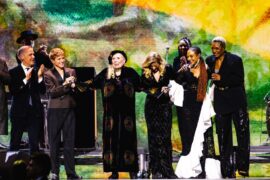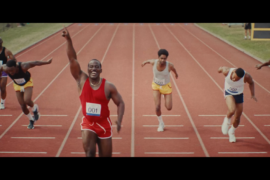


On Thursday the folks at CBC Syndication radio asked me to weigh in across their network about the news that, after about half a century on ABC, the Academy Awards will migrate to YouTube in 2029.
The deal with the Academy of Motion Picture Arts and Sciences is for five years. I’m not sure how long Bell’s deal lasts as the Canadian home of the Oscars on CTV, or whether they would want to continue carrying it regardless of it being available in Canada down the road on YouTube.
Keep in mind that next Oscars, scheduled for March 15, 2026, will still be on ABC and CTV. Conan O’Brien is returning as host.
The beauty of being asked to comment, five minutes at a time, on radio stations in Toronto, Vancouver, Montreal, Calgary, Winnipeg and nine others across Canada is that by the time you get to the 14th conversation you have a decent chance of sounding as if you know what you are talking about.
WHY IT MAKES SENSE:
Broadcast network television is not growing. Cord-cutting continues, although there are conflicting reports about whether that is slowing down. Last year, according to one report, cable subscriptions actually went up after eight years of decline. Still, ABC’s Oscar audience has never really recovered from the lows of the COVID pandemic years. Last March, however, there was a slight increase. The 2025 gala drew 19.5 million in O’Brien’s first turn as host, up from 18.8 million the year before.
advertisement
The recent flurry of crazy high takeover bids for Discovery-Warner Bros, including Netflix’s offer of $82 billion to acquire access to HBO and the vast Warners film and TV library, may be causing rights holders to valued TV properties to take a look around. Things have been tilting towards digital for a decade at least in terms of audience. Even the NFL and NBA have deals with YouTube now, with NHL hockey and MLB baseball also establishing homes on certain nights on services such as Paramount+ and AppleTV.
The AMPAS was wise, I think, to look around and determine that, in what is still a volutile landscape, YouTube, which is owned by Google, is more likely to still be thriving five years from now. Had they stuck with Disney-owned ABC, the awards could have been shared or simply moved exclusively to Hulu or Disney+, but that would mean film fans would have to pay to subscribe to these services. Remember the outcry when AppleTV announced they had acquited exclusive rights to A Charlie Brown Christmas and other cherished animated Peanuts specials? People went nuts. Apple had to cut a side deal with PBS so viewers would still have a free option. Imaging the good grief if consumers had to pay a subscription fee to watch the Oscars.
Also, the direct and relentless free speech attack on Jimmy Kimmel Live by the White House and the FCC exposed serious cracks in a business foundation that had otherwise thrived for 70 years. What if affiliates who may need government support to keep licenses (or break anti-trust boundaries) want to boycott a future Oscar telecast? Does Disney and ABC need the headache of presidential pressures in an era of diminishing audience returns?
Let’s not even get started on the defunding of public television in the States. How long that lasts may be up to viewers like you.
Four or five years is a long time in televison. Who knows what the affiliate structure looks like by then? Broadcasting as a business partner has become radioactive for all kinds of reasons, even for big ticket, live showcases such as award shows.
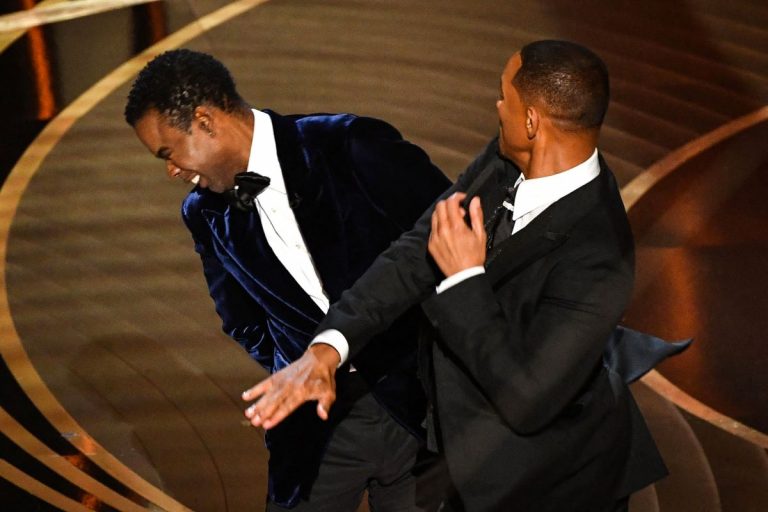
WHY IT COULD WORK FOR VIEWERS:
With snappy little commercial breaks, the Oscar telecast could be shorter. Maybe YouTube strings three or four 15-second ads together instead of the usual six or seven 30-second ABC spots.
On the other hand, maybe winners get to blab on without being played off for time. Sometimes those passionate speeches, however, are the best part.
Viewers who don’t want to sit through three-and-a-half hours and just want to find out who wins might embrace the platform shift. YouTube should stick to their practice of dividing content into chapters. If you could just jump to the monologue, the In Memoriam segment (a tear jerker this year with Rob Reiner among those honoured), or the Best Picture category, you could get this whole evening killer over in 20 minutes. Think of it: how many of us still watch late night talk shows live? So few CBS claims they have to cut Stephen Colbert loose next May. If the prefered way to consume Kimmel, Fallon, Meyers and others is now in five minute chunks on YouTube, why wouldn’t that work for The Oscars?
Bottom line, while I’m as guilty as anyone for throwing dirt on the broadcast grave, I think broadcast will still be a thing for another five or ten years. It is kind of up to aging boomers who won’t want to pay extra to watch legacy fare such as The Price is Right, soaps, morning shows, Saturday Night Live, big reality show winners such as Survivor and live sports such as NFL football. Whether there still will be specific outlets such as ABC or Global, who knows.
In streaming, consumers seem to have hit the wall on paying twenty-plus bucks a month for three or four streaming services, opting in greater numbers to stream with ads for a lower fee. Didn’t we used to just call that television? The heavy industry bet on streaming seems to be in retreat, although great shows, such as Pluribus, Landman, The Pitt, Slow Horses and others will always drive whatever platforms remain. Just — where will the money come from to pay for those shows as interest costs mount on $80 to $100 billion takeover bids?
YouTube just seems less likely to go away. Heck, even I have a YouTube channel with over 1000 subscribers (watch “Blast off Back to Rocketship 7” now). Hostile takeover bids welcome.