
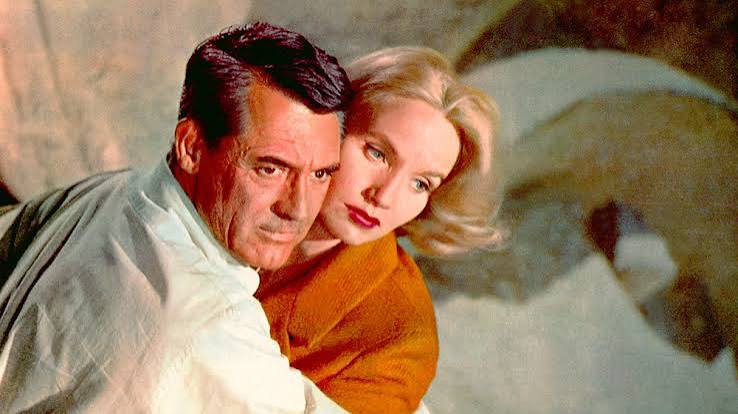
Screen legend Eva Marie Saint passed away October 6 at 102 years of age. The Oscar and Emmy winner was an enduring star, celebrated at TCM Classic Film Festivals and at many other Hollywood occasions.
Her death also provided an opportunity for me to test something I’ve been requesting for years as a member of the Television Critics Association: a searchable data base containing over 40 years of transcripts from twice-yearly TCA press tour gatherings.
The digitization of a dumpster full of press tour transcripts, some dating back to the late ‘70s, had been assigned, for years, to Rowan University in Glassboro, New Jersey. Former TCA president and long-time member David Bianculli teaches television and film history at the university and set up the transcription transfer as a student project.
On the same day as Eva Marie Saint’s passing, the TCA board shared that the first batch of transcripts, covering the years 1987 to 1998, were now digitized and searchable as part of the university archives and special collections. Thank you, therefore, to the students who took part in this endeavour.
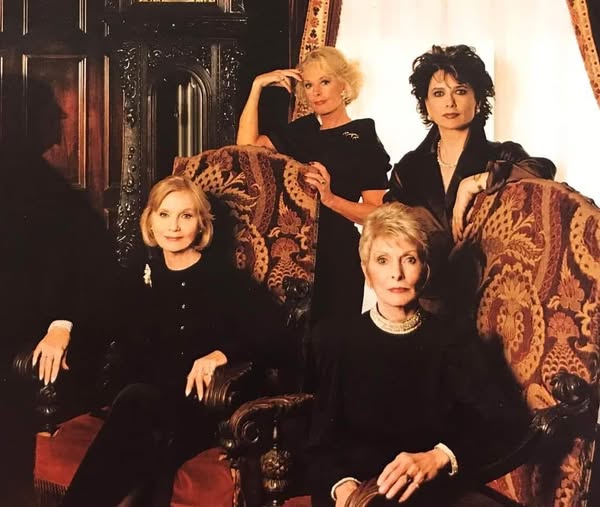
Among the first batch of transcripts transcribed was a session I attended in the summer of 1997. Like magic, it popped up immediately when I searched for it under Eva Marie Saint’s name. It occurred on a cable day at press tour, with American Movie Classics – later AMC – as host. The cable channel was programming a salute to Alfred Hitchcock and they promoted it by bringing together five actresses all linked to the master of suspense.
Besides Saint (“North by Northwest”), Tippi Hedren (“The Birds”; “Marnie”); Suzanne Pleshette (“The Birds”); Janet Leigh (“Psycho”); and Karen Black (“Family Plot”) were all live and in person at the press conference.
advertisement
Why this session stands out for me is that all five of the actresses, including Hedren, had generally very positive things to say about Hitchcock. This was not the impression Hedren would leave years later in “Tippi.” The memoir, released in 2016 when Hedren was 86, alleged that the director was obsessed with her, stalked and even sexual assaulted the actress.
One allegation in her book: instead of mechanical birds, real birds pecked away at her in one violent scene. That was a punishment, she felt, for rejecting his advances.
If she felt that way in 1997, she kept it to herself. The closest anybody came to anything sinister was when Pleshette joked off the top that they all “survived” working with Hitchcock.
Eva Marie Saint told critics that working with the director was different from working with, say, Elias Kazan, who directed her in “On The Waterfront.”
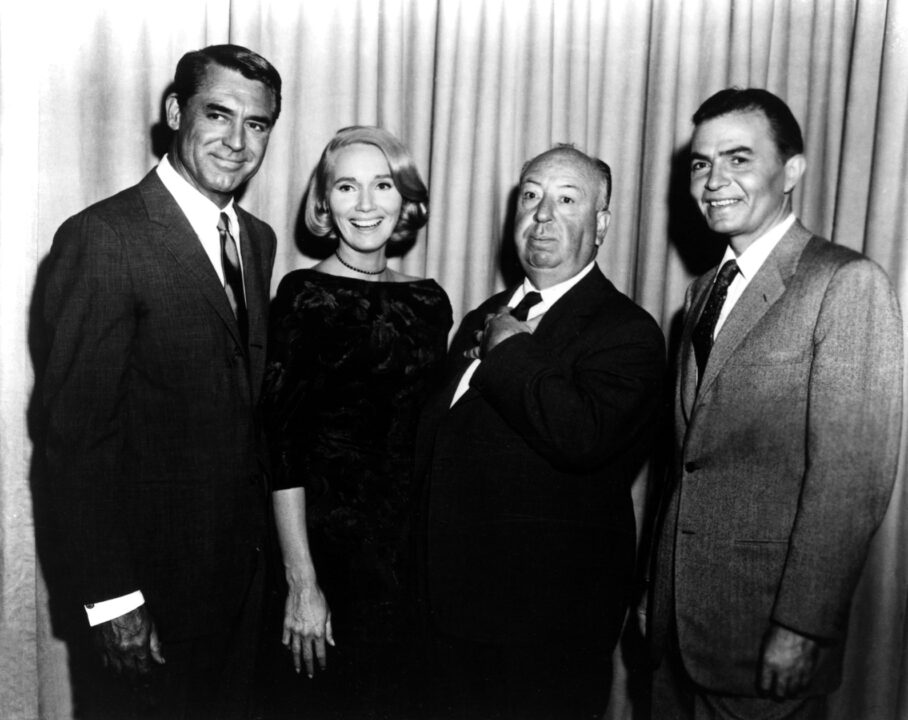
“Kazan is a method director, and I’m a method actress, and had gone to the Actor’s Studio. So, Kazan would whisper into your ear, individually, his ideas for the emotional scenes and so forth.”
With Hitchcock, said Saint, you basically got three directions:
“One, lower your voice. Two, don’t use your hands. And three, look directly into Cary Grant’s eyes at all times. The last was not difficult at all.”
The notes, she said, helped her play “a kind of sexy, spy lady – and that’s what he wanted.”
Pleshette said she loved working with Hitch on “The Birds.” “I was actually crazy about him.”
“Me too,” echoed Leigh.
Black thought he was “a warm man…very fatherly.” She worked on the director’s final film, “Family Plot.” By then he was 76.
“I think whoever said he was a misogynist is a very mistaken person,” Black added. “And you might go to them and ask what they’re talking about.”
“That’s true,” said Saint.
“Absolutely,” said Pleshette.
Hedren said nothing, but she didn’t correct the positive impressions either. It likely made a difference that Saint and Leigh were already established stars when they appeared in his films. Hedren was a model and film newcomer Hitchcock spotted in a commercial and quickly signed to a five year deal. Manipulating her on a set would have been easier.
Leigh’s recollection was that Hitchcock was more obsessed with camera movement than motivation.
“Look,” she recalled him saying to her. “I hired you because you’re añ actress, so I assume that you can do it — you know what you’re doing.”
“He didn’t give me any direction except for movement, except in the love scene [at the start of Psycho with John Gavin] where he said, “See if you can heat it up a little bit.”
Hedren, who had less to say than the rest, had one story about playing opposite Sean Connery in “Marnie.” She saw her job as “playing “this frigid woman who really didn’t give a damn about any man.” Hedren asked the director how she was supposed to “react so coldly to this very, very handsome, attractive, absolutely marvelous man?”
Hitch’s advice was, “Well, you just have to do it.”
“Have you seen him?” she asked. Said the director, “Yes. It’s called acting.”
Pleshette did think Hitchcock had a type. “You know,” she said to Black while gesturing to the others. “These woman are his fantasy women. I mean the beautiful, blonde goddess who are really warm underneath. I don’t know how the hell we ever got in his movies.”
The future co-star of The Bob Newhart Show had one final recollection. Hitchcock, she said, never gave her the command to lower her voice, “or I would have been the leading man in the picture.”