
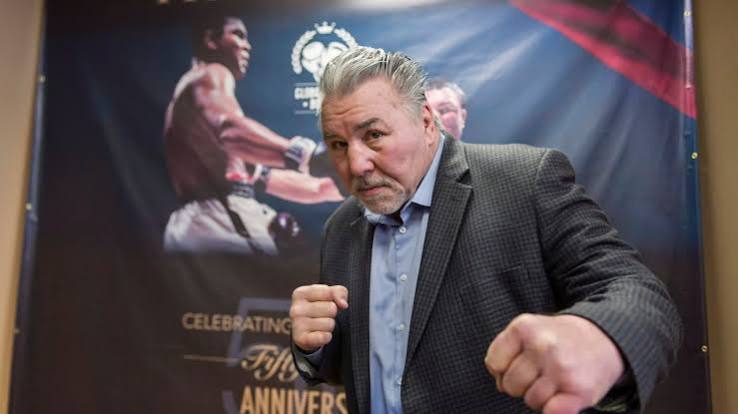
The last person I thought I’d run into at a festival of early “talkie” films in upstate New York was George Chuvalo.
This was an annual event which ran for 35 years in Syracuse, N.Y., and showcased films – sometimes with live music accompaniment – projected on 16mm film.
The guy who founded the festival, Phil Serling, also happened to be a boxing manager and trainer who had been enshrined in the International Boxing Hall of Fame. When Serling died at 69 early in 2002 after a freak car accident, his friend Chuvalo drove down to Syracuse for a tribute at the next Cinefest film gathering. Standing tall, dressed sharply in a suit, Chuvalo paid a sincere tribute to Serling, a larger-than-life character who could quip with the best of them. He once said of Cinefest, “Where else would you find a room full of men who want to have sex with dead actresses?”
Chuvalo, who in later years spoke to many groups about the dangers of drug abuse, hung around Cinefest long enough for a few of us film nerds to pepper him with questions about the Muhammad Ali fights and other ring adventures. Ali spiked ticket sales leading up to their 1966 tilt by dismissing his Canadian challenger as “the Washerwoman.” Chuvalo never took that bait and even dressed up as a washerwoman and gooned Ali at his training camp in his own bit of pre-fight ballyhoo.
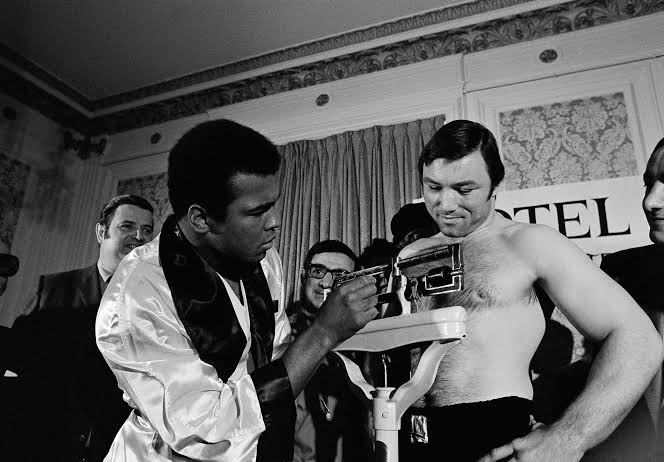
Canada’s greatest champ died Sept. 12 on his 89th birthday. He lost both those fights to Ali but not before going the distance and earning a ton of respect. After the first Toronto bout, Ali saluted Chuvalo as, “the toughest guy I ever fought.”
The Canadian heavyweight took on all comers throughout the ‘60s and ‘70s, including Joe Frasier, Floyd Patterson, Jimmy Ellis, George Foreman and Jerry Quarry. Not once in 93 professional bouts was Chuvalo ever knocked down.
advertisement
His most tragic moments, however, came outside the ring. Three sons took their own lives after struggling with heroin addictions. Days after the third son George Lee died, Chuvalo’s grief-stricken wife took her own life.
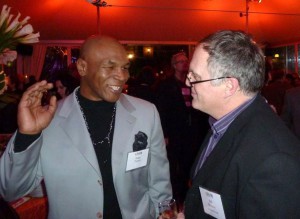
Besides Ali, Chuvalo gained the respect of many other fighters over the years. When I met and spoke with Mike Tyson in 2011 at a Television Critics Association event in Los Angeles, we talked about Canadian producer Derik Murray’s excellent 2009 documentary “Facing Ali.” Chuvalo was one of 10 opponents, including Ken Norton, Larry Holmes and George Forman, who talked about their epic bouts with “The Greatest.” Tyson said he was moved to tears watching Chuvalo spill his guts about the tragic life and death of his sons and first wife.
Another Chuvalo fan I interviewed was The Young and the Restless’ Eric Braeden. TV’s Victor Newman, now 85, is a boxing enthusiast who knew and revered German wartime champ Max Schmeling. When I spoke with Braeden in 2009, he had high praise for the Canadian. “What a brawler he was!” he said.
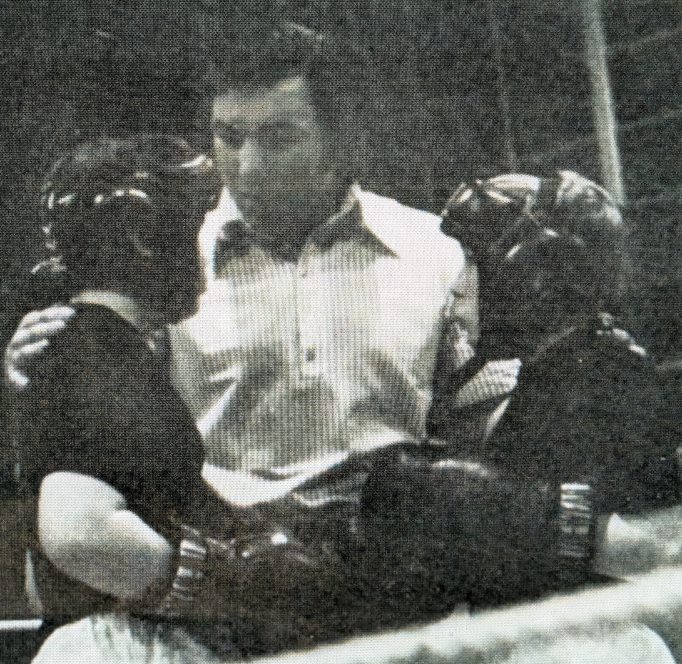
Chuvalo was also known for inspiring others at the community level. In 1970, before I was a student there, Chuvalo came to Michael Power-St. Joseph high school in Etobicoke to referee a few student bouts. They had a boxing club back then, initiated by the late Bill Fisher, a teacher and former fighter. What a thrill that had to have been for the kids who boxed, including heavyweights Steve Kwiatkowski and Peter Regina and bantamweights Peter Ormesher and Mike Marino.
“My older brother took me to that boxing night at Michael Power,” messages friend and former classmate Glen Rippon. He came away with an autograph he holds dear to this day: “Glen, keep punching — George Chuvalo.”
Condolences to Chuvalo’s family, friends and many fans.